
Miyawaki Forest - at Loulé Secondary School
Polar chart of the good practice's contribution to the 17 SDGs. The radius length corresponds to the relative benefit for each SDG.
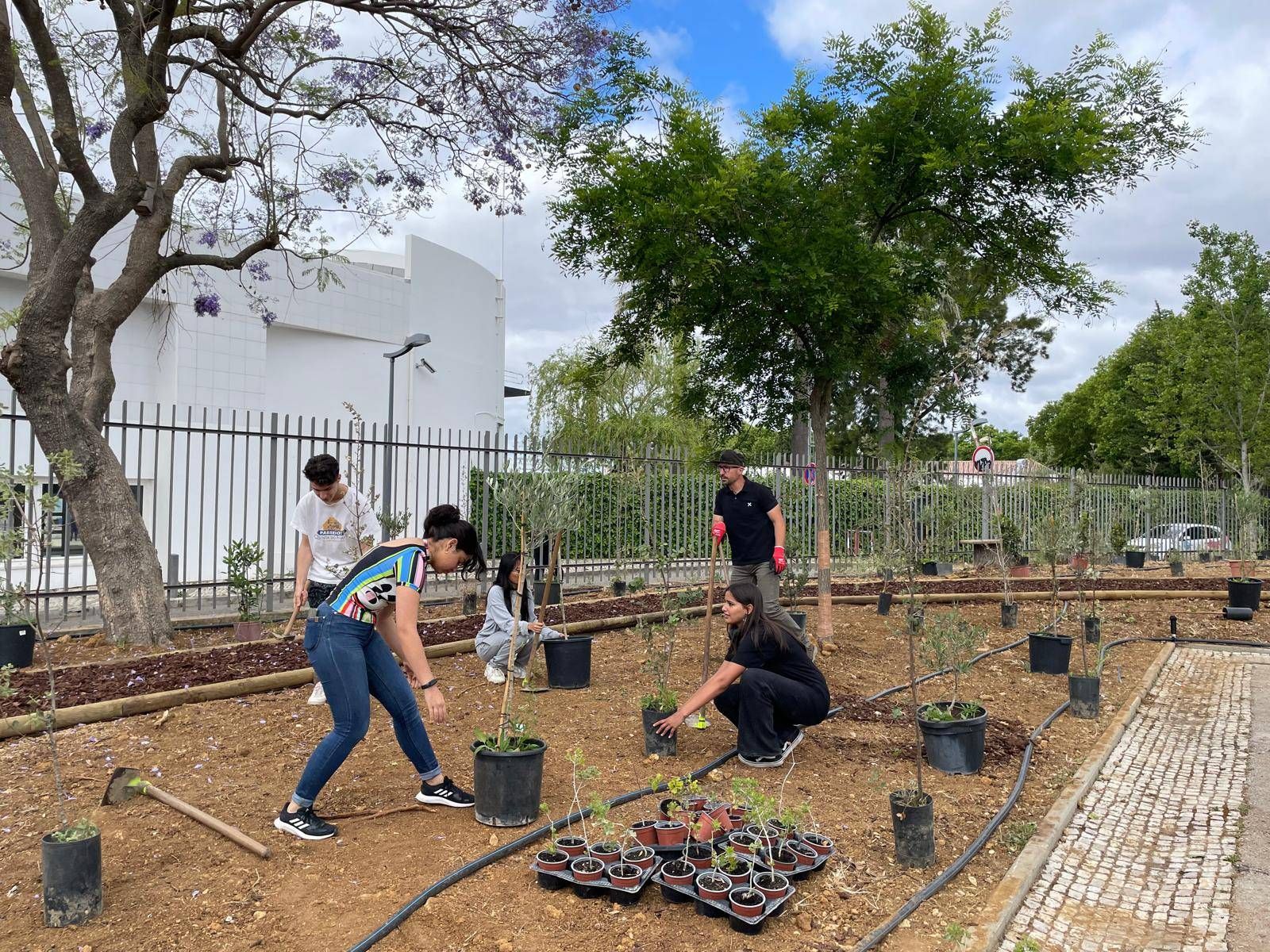
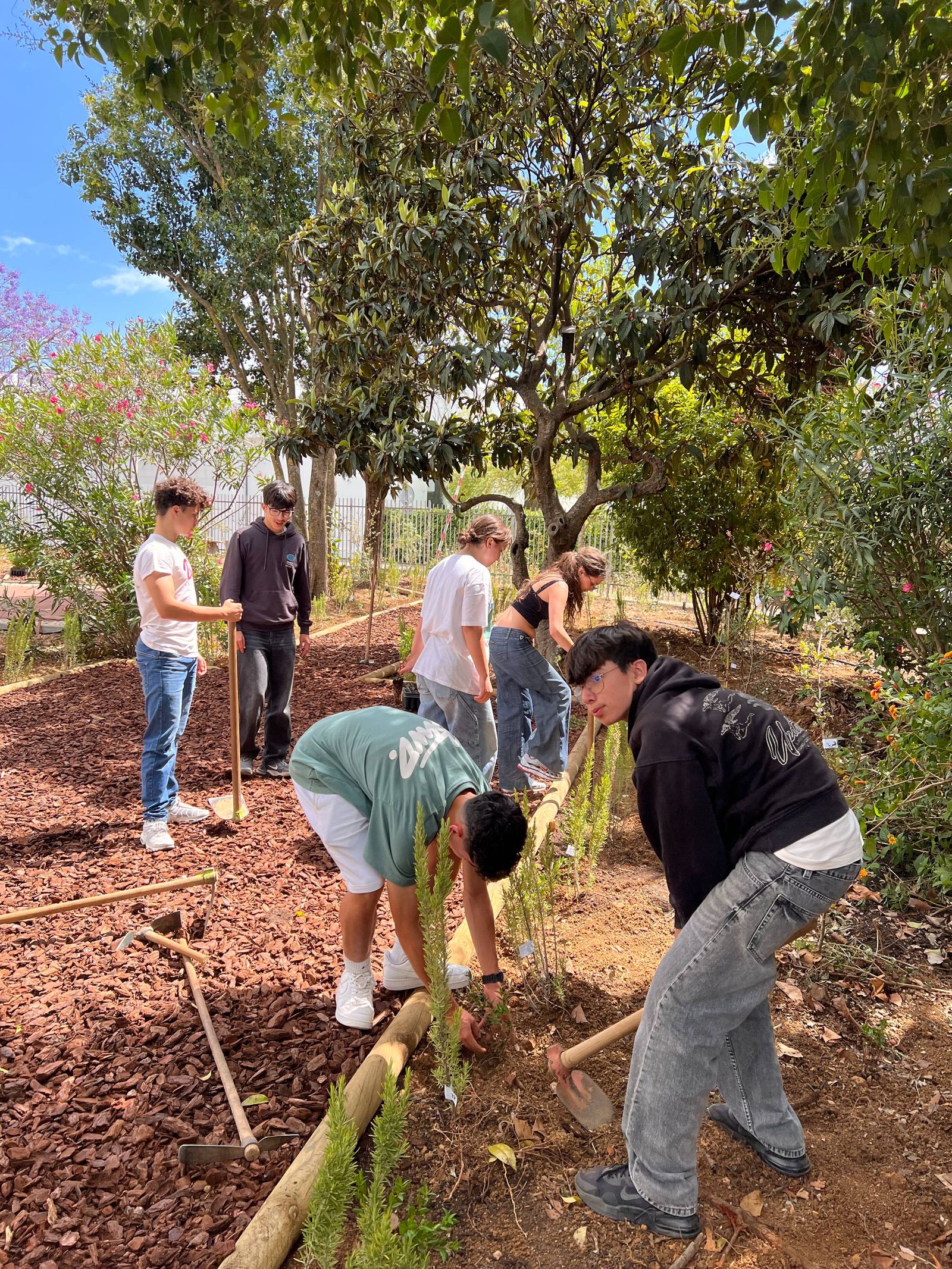
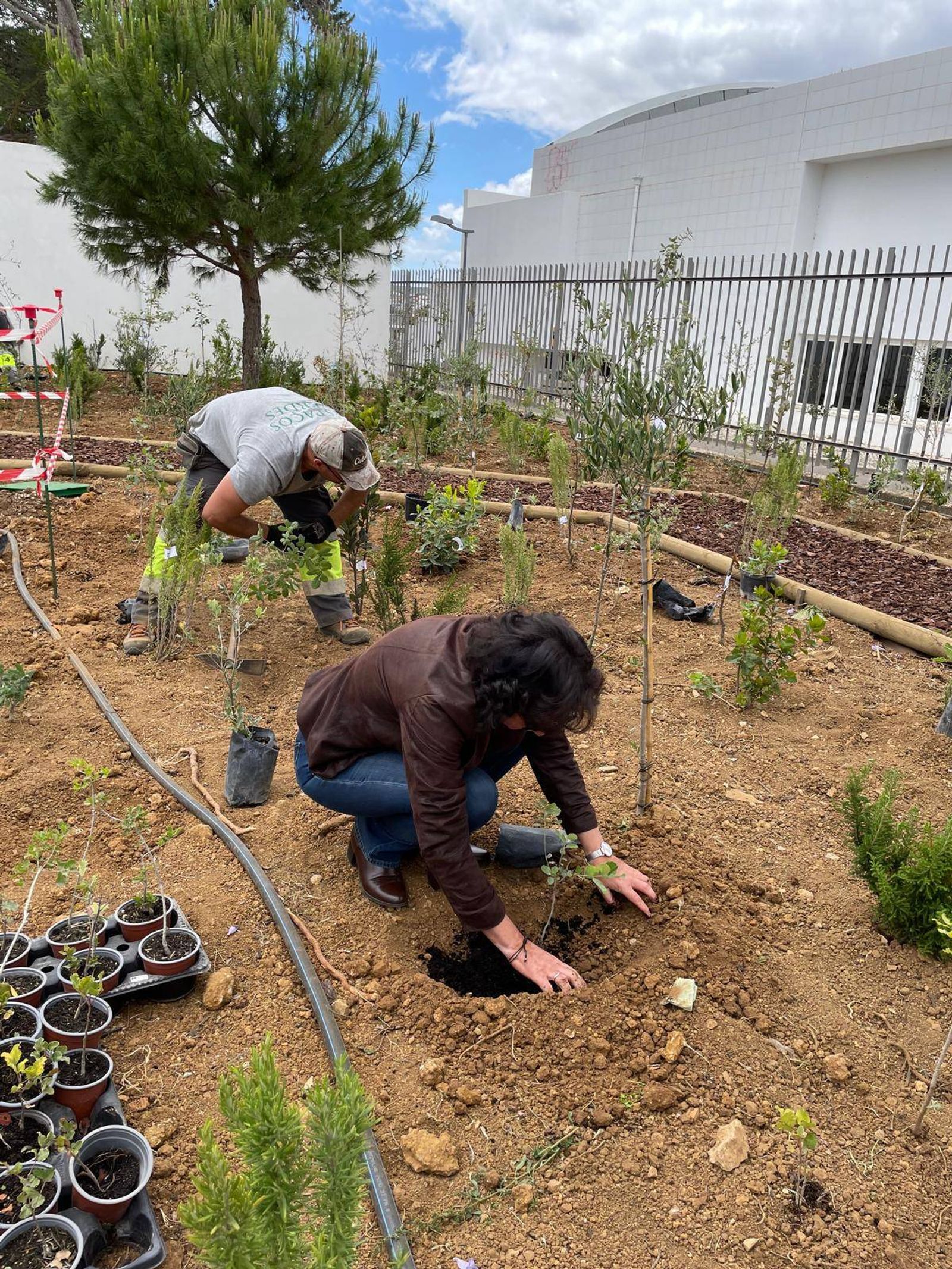
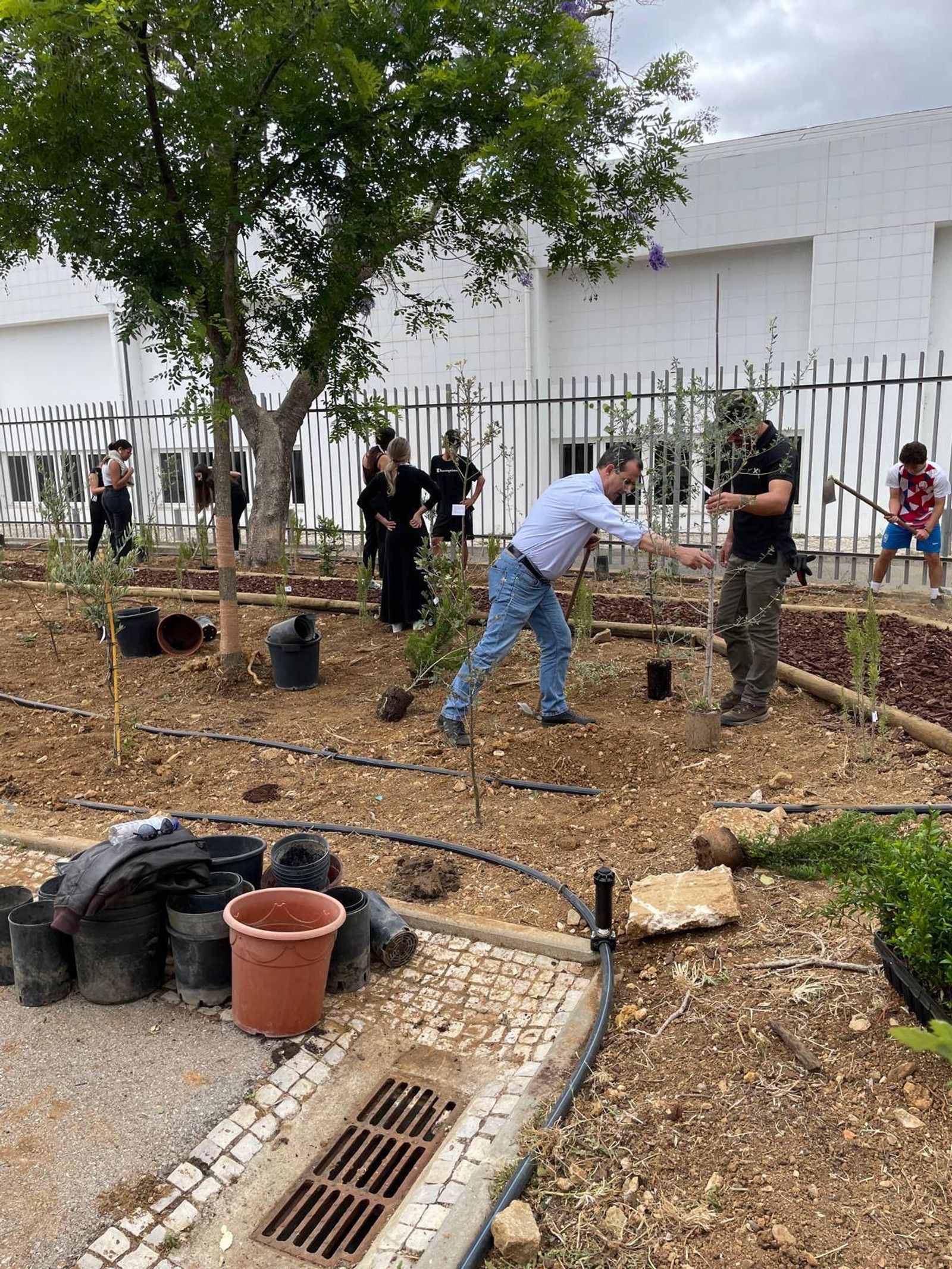
The Miyawaki Forest Project, implemented in the outdoor spaces of Loulé Secondary School, aims to plant a small urban forest. This project integrates different species of native plants that interact to form a dynamic ecosystem. This method aims to identify the site's natural vegetation and its structure, i.e. how the different species of herbaceous plants, shrubs and trees can be combined. The methodology involves planting only species native to the Loulé region. The wide variety of species planted grows to recreate the various layers of a natural forest. The growth rate of these forests is considerably higher than that of other forests, as there is intense competition between species. The development and maintenance of this forest is monitored by the school's students and teachers, under the coordination of the school's Environmental Sustainability Office. o planting date (17/05/2024); o weeding dates (08/11/2024 + 14/11/2024 + 15/11/2024); o the planting area (around 400m2); the number of students who have already taken part in the project (around 173 students and 7 teachers at the planting; around 80 students and 5 teachers at the weeding in 2024); o the quantity and diversity of species planted to occupy the arboreal, shrub, sub-shrub and herbaceous strata (around 1,750 plants of 15 different species, including olive, Portuguese oak, holm oak, hornbeam, carob, laurel, dwarf palm, strawberry tree, heather, mastic, myrtle, cistus, rosemary and wild strawberry).
Top SDGs



Project information
- Municipality:
- Loulé
- Promoter:
- Educational Institution
- Network:
- MiniFlorestas
Indicators (1)
Adaptações Climáticas
Foram plantadas espécies autóctones, adaptadas aos recursos hídricos da região.

Adaptações Climáticas
Foram plantadas espécies autóctones, adaptadas aos recursos hídricos da região.